
Published on Oct 19, 2026

Super Admin
What Are Modern Hotel Screens Solutions?
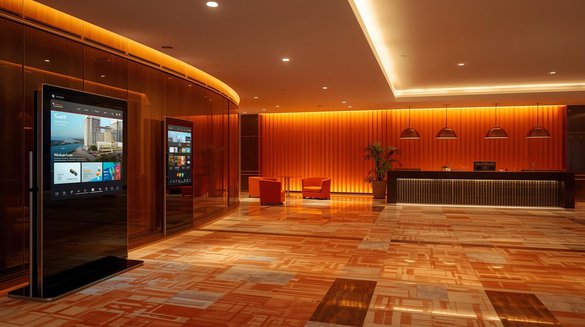
Walk into almost any new hotel, and you will see screens in the lobby, by the elevators, and even inside the room. Hotels now rely on digital displays to share updates, promote services, and guide guests through the space.
Modern hotel screen solutions are digital displays, video walls, kiosks, and in-room screens that share real-time information, promote services, and improve daily operations. You use them to show event schedules, restaurant menus, spa offers, and wayfinding maps. Some screens also support self-check-in and interactive features.
As you explore this topic, you will see the main types of hotel screens and how they support guest communication, branding, and efficiency. You will also learn how smart placement and content help you create a smoother and more organized guest experience.
Key Types of Modern Hotel Screens
Modern hotel screen solutions include display systems for communication, self-service kiosks for guest support, and design-focused screens that shape the look of your space. Each type serves a clear role in guest service, operations, and branding.
Digital Signage Displays
Digital signage displays show real-time information across your hotel. You often install them in lobbies, elevators, hallways, restaurants, and meeting areas. A hotel digital signage solution centralizes these screens through a single management system, allowing hotels to remotely update promotions, event schedules, welcome messages, wayfinding information, restaurant offers, and service announcements in real time. This reduces manual updates while turning most systems to use LED or LCD screens. LCD screens usually cost less and work well indoors. LED screens provide higher brightness and better visibility in large spaces or areas with strong light.
You can use digital signage to display:
Welcome messages with guest names
Event schedules and meeting room updates
Wayfinding maps
Promotions, discounts, and dining specials
Local weather and travel updates
Content updates through a central content management system. Your staff can change messages across one screen or hundreds of screens in minutes.
This setup improves communication and reduces printed signs. It also keeps your branding consistent across all public areas.
Interactive Concierge Kiosks
Interactive concierge kiosks give guests direct access to services without waiting at the front desk. You place them in lobbies or near entrances for easy access. Guests can easily browse food options and place orders directly through a mobile-friendly digital menu integrated into these displays.
These kiosks use touchscreens and simple menus. Guests can:
Check in or check out
Print room keys
View hotel amenities
Book spa or dining reservations
Access local maps and attraction guides
Some systems connect with your property management system. This link allows real-time room status updates and secure guest verification.
You can also integrate mobile features. For example, guests may scan a QR code to send directions or booking details to their phones.
Interactive kiosks reduce front desk traffic during peak hours. They also give guests more control over their stay.
Decorative and Architectural Screens
Decorative and architectural screens focus on design while still serving a function. You use them to divide spaces, manage privacy, and support your interior theme.
These screens may include:
Backlit panels with custom graphics
LED walls used as digital art features
Partition screens in lobbies or restaurants
Transparent LED panels in windows
You can combine digital content with physical design. For example, a large LED wall can display abstract visuals during the day and event branding at night.
Architectural screens also support zoning. You can separate lounge areas from check-in spaces without building solid walls.
When you choose materials, brightness levels, and placement carefully, these screens improve both flow and visual identity in your hotel.
Optimizing Guest Experience and Operations
Modern hotel screen solutions improve how you serve guests and manage daily tasks. You can deliver targeted content, control screens from one system, and turn displays into revenue tools.
Personalized Content Strategies
You can use modern screens to deliver content based on guest type, location, and time of day. In-room TVs, lobby displays, and mobile-connected screens can show different messages to business travelers, families, or event attendees.
For example, you can:
Promote meeting room booking tools to corporate guests
Highlight spa packages to leisure travelers
Display event schedules to conference groups
Interactive screens also support room controls, local guides, and service requests. Guests can browse dining menus, book amenities, or request housekeeping without calling the front desk.
Smart displays in rooms can support screen sharing or docking. This setup helps business travelers work more easily. When you match content to guest needs, you reduce friction and improve satisfaction.
Centralized Management and Real-Time Updates
You can manage all hotel screens through a centralized content management system. This allows you to update messages across guest rooms, lobbies, restaurants, and meeting spaces from one dashboard.
Real-time updates help you:
Change event schedules instantly
Post weather or travel alerts
Adjust promotional offers during slow periods
This control reduces manual work for staff. Instead of printing new signs or updating each screen one by one, you push changes across the network in minutes.
Some systems also connect with property management and event software. When a meeting room booking changes, the display outside the room updates automatically. This reduces confusion and improves traffic flow in busy areas like conference floors and lobbies.
Revenue Generation and Upselling Applications
Modern hotel screens support direct upselling at key touchpoints. You can promote paid upgrades during check-in, in-room viewing, or on lobby kiosks.
Common revenue uses include:
Room upgrades and late check-out offers
Restaurant and bar promotions
Spa and wellness packages
Local tours and partner services
In-room screens can display limited-time offers based on length of stay. Lobby displays can highlight daily specials or upcoming ticketed events.
Advertising space on selected screens can also support paid partner placements. When you place promotions in high-traffic areas, such as elevators or reception zones, you increase visibility without disrupting the guest experience.
By linking content to booking data and time of day, you present offers when guests are most likely to act. This approach helps you increase revenue while keeping communication clear and relevant.
Conclusion
Modern hotel screen solutions combine digital signage, LED displays, and architectural screens to improve how you design and manage your space. These tools support guest communication, guide movement, and shape the look and feel of your property. As technology advances, you gain more control over content, lighting, privacy, and branding in one system.
By choosing the right mix of display and structural screens, you improve both function and style in your hotel. These systems help you inform guests, support staff, and adapt spaces for different needs, thus increasing flexibility. As a result, you create an environment that feels organized, current, and aligned with your brand goals.

Safeguard Your Child Against Online Threat
Register Now Cancel Any Time
Available
on
Cancel Any Time
Available
on