

Published on Jul 16, 2025

Prasanta R
Safe Zones and Smart Signals: How AI & Geofencing Are Changing Senior Care
Aging used to come with a long list of restrictions—no solo walks, no late-night outings, and sometimes, no independence at all. But times have changed. Today’s seniors are living longer, moving more freely, and expecting technology to work in their favor. And it is. Through innovations like geofencing and AI-powered monitoring, older adults now have access to medical alert systems that support their independence without sacrificing safety.
Take solutions like Life Assure, for instance. By integrating smart sensors and virtual safety zones, these tools offer family members reassurance and give seniors the confidence to live life more fully. It’s no longer just about pressing a button in an emergency—it’s about preventing emergencies altogether.
Let’s break down how geofencing and artificial intelligence are working behind the scenes to keep seniors safer and more supported than ever before.
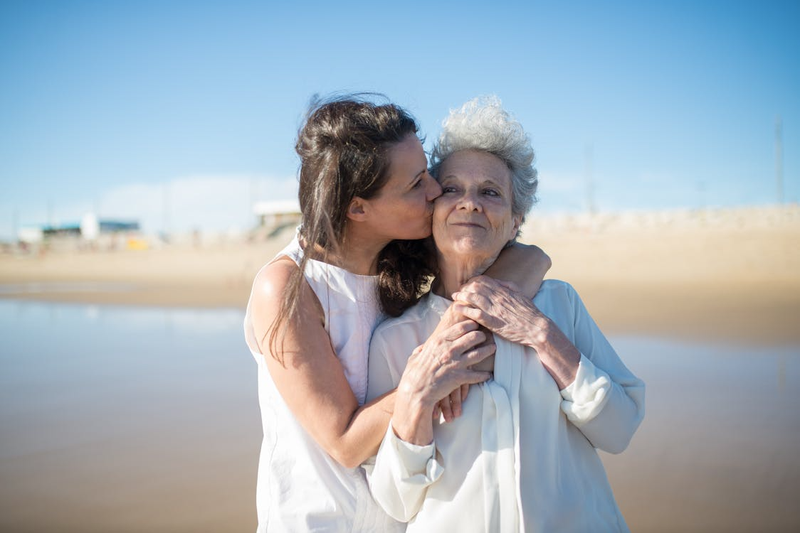
Photo by Kampus Production from Pexels
What Is Geofencing, Really?
Geofencing might sound like a tech buzzword, but the idea is simple. It’s a digital “fence” set around a specific geographic area. When a device—like a medical alert pendant or smartwatch—crosses that boundary, a system triggers an action: sends an alert, logs the event, or starts a call.
These fences can be as small as a backyard or as large as an entire neighborhood. Caregivers can customize zones based on daily routines, local hazards, or health needs. If Grandpa usually visits the coffee shop around the corner, no problem. But if he wanders too far toward a busy highway? The system flags it, instantly.
AI Makes the Fence Smarter
Geofencing by itself is useful, but pair it with artificial intelligence and it becomes something more powerful: adaptive. Instead of reacting to a single event, AI can learn patterns over time—like how often a person leaves home, how long they stay out, and what movements are normal.
If the system detects changes, like someone going for a walk at 3 a.m. or skipping their usual routines, it knows to send a heads-up. These alerts aren’t just based on where someone is—they’re shaped by what they usually do.
So rather than caregivers watching a map all day, they can focus on living their lives, knowing that smart signals will only ping when something’s off.
Keeping Seniors Safe Without Making Them Feel Trapped
There’s a tricky balance in senior care: keeping loved ones safe without making them feel watched or confined. No one wants to feel like their every move is being tracked.
That’s where geofencing quietly shines. It’s not invasive, it’s just there. It works in the background, only stepping in when something unexpected happens. Seniors can still shop, stroll, or meet friends—but caregivers can rest easy knowing there’s a digital safety net in place.
And since these systems often include two-way voice features, help is always just a tap or spoken command away if anything does go wrong.
Real-World Use Cases That Hit Home
Let’s talk about what this looks like in practice:
- Wandering and Dementia: For seniors with memory challenges, wandering is a serious concern. A geofence can alert caregivers the moment someone leaves the safe zone, reducing response time and preventing dangerous situations.
- Fall Detection Meets Location Awareness: If someone falls outside of the house, responders can be directed straight to them instead of wasting precious minutes trying to figure out where they are.
- Unexpected Routes or Delays: If a senior takes twice as long to return from a routine walk or deviates from their usual route, AI can detect this and send an alert, giving family members a chance to check in before it escalates.
Easy to Use, Easy to Love
The best tech doesn’t feel like tech—it just fits into life. Many modern medical alert systems with geofencing and AI are simple to use. Devices are often wearable, lightweight, and discreet. Seniors don’t have to learn complicated interfaces or mess with confusing buttons. Some even look like standard watches or pendants.
Battery life is improving too, with systems designed to go days or even weeks on a single charge. And caregivers can manage settings from their smartphones, tweaking zones, viewing reports, or silencing alerts with just a few taps.
A Win for Caregivers, Too
Let’s not forget about the people on the other side of the alert—sons, daughters, spouses, neighbors. Caring for a senior can be rewarding, but it’s also hard. It means constantly wondering if they’re okay when you’re not there.
Geofencing helps lift that weight. Instead of being on edge 24/7, caregivers can rely on tech to let them know when they’re needed. No more frantic calls or texts just because Grandma didn’t answer the phone right away. If something’s truly wrong, the system will raise a flag.
This gives everyone involved more freedom—seniors, and those who love them.
Respecting Privacy in a Digital World
Now, let’s talk about something equally important: privacy. Just because we can track someone’s location doesn’t mean we should do it without limits.
Modern systems are built with that in mind. Seniors or their legal guardians typically approve what data is collected and who can access it. The goal isn’t surveillance—it’s safety with dignity.
And with AI refining when alerts go off, users get fewer false alarms, reducing stress for both seniors and caregivers.
The Future of Senior Care: Context-Aware, Not Just Connected
We’ve moved beyond the “press this if you fall” model. The future is predictive, proactive, and personalized.
Geofencing and AI are part of a bigger movement toward context-aware care. Systems are beginning to understand not just where someone is, but why that matters. Is this movement typical? Is there a change in pace or behavior? Is the user in a place that requires intervention?
Add in integrations with smart home systems, health trackers, and voice assistants, and the future of aging safely at home starts to look pretty promising.
Who Benefits the Most?
While all seniors can benefit from smart alerts, a few groups in particular stand out:
- Seniors with cognitive decline: They may not always know when they’re lost or disoriented, but the system can detect it quickly.
- Rural or semi-rural residents: Geofencing helps families who live far apart stay connected and reassured.
- Active seniors: Those who still drive, volunteer, or travel appreciate tech that supports—not restricts—their lifestyle.
- Caregiving teams: In homes with multiple caregivers, these systems create a central point of contact and reduce miscommunication.
What to Look For in a Smart Medical Alert System
Not all systems are created equal. If you’re considering this kind of setup, here are some features worth checking out:
- Customizable Geofencing: Can you set multiple zones? Do you get alerts if a line is crossed?
- AI Learning Capabilities: Does the system recognize normal routines and flag unusual behavior?
- Mobile App Access: Can caregivers adjust settings or check in from their phones?
- Reliable Connectivity: Does it work on cellular networks and GPS without frequent dropouts?
- Battery Life and Wearability: Will the user actually wear it daily? Does it need constant charging?
Look for options that blend function with ease—because no one benefits from tech that’s too complicated to use.
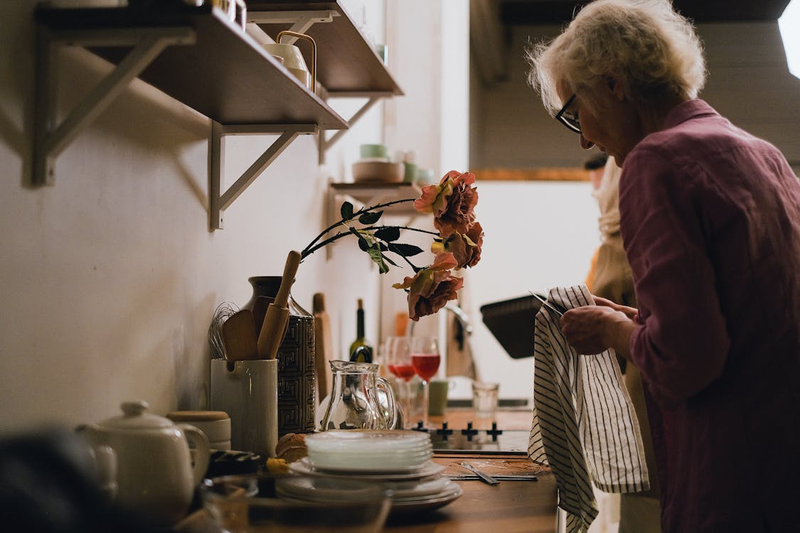
Photo by Anna Shvets from Pexels
Final Thoughts: More Freedom, Less Fear
Aging shouldn’t mean giving up freedom. It should mean gaining smart support systems that help people live confidently and securely. With geofencing and AI-powered alerts, seniors don’t have to be tethered to a landline or home base to feel protected.
Families, too, get to breathe a little easier. It’s not about replacing human connection—it’s about strengthening it with better tools.
The best kind of care is the kind that works quietly in the background, ready to step up when needed, but never in the way. And that’s exactly what this technology offers.

Safeguard Your Child Against Online Threat
Register Now Cancel Any Time
Available
on
Cancel Any Time
Available
on