

Published on Apr 27, 2026

Super Admin
How Remote Monitoring Ensures Quick Action During Emergencies
In a world where emergencies can unfold within seconds, the concept of “response time” has become more critical than ever. Whether it’s a break-in, a fire incident, medical distress, or an environmental hazard such as gas leaks or flooding, every moment counts. Traditional security systems once relied heavily on audible alarms or neighbors noticing suspicious activity. Today, technology has transformed the way we safeguard homes, businesses, and communities. Remote monitoring is now at the heart of modern protection, acting as a watchful partner that never sleeps.
Remote monitoring centers operate around the clock, providing constant supervision over alarms, sensors, video systems, and smart devices. The moment an abnormal activity is detected, trained professionals receive alerts, assess the situation instantly, and coordinate the appropriate response, often before the property owner even knows something is wrong. Solutions like cms alarm monitoring have become essential tools for ensuring fast, accurate, and reliable intervention when emergencies strike.
In this detailed blog, we’ll explore how remote monitoring works, why it’s so effective, and how it strengthens safety across residential and commercial environments.
Understanding Remote Monitoring in Modern Security
Remote monitoring refers to the continuous supervision of security devices by a professional monitoring center. These devices may include intrusion sensors, fire alarms, CCTV cameras, panic buttons, environmental sensors, and smart home systems. As soon as a device registers an event,such as movement, smoke, water leakage, or an unauthorized entry, it sends an alert to the monitoring team.
This connection between technology and human oversight is what makes remote monitoring incredibly valuable. Devices alone cannot make decisions. They can detect and notify, but they lack the reasoning needed during an emergency. Monitoring teams, on the other hand, interpret the data, verify the event, and arrange immediate action.
By integrating automation with human judgment, remote monitoring bridges the gap between detection and response,something traditional alarms could never fully accomplish.
The Power of Real-Time Alerts
Speed is the greatest advantage of remote monitoring. Emergencies unfold rapidly, often leaving little time for manual intervention. Real-time alerts ensure that the moment an incident begins, response mechanisms are already in motion.
For example, when smoke is detected in a home, the system instantly notifies the monitoring center. Operators then follow established protocols: confirming the threat, contacting the homeowner, and dispatching emergency services if needed. This process takes seconds, not minutes.
The same applies to burglaries. If an intruder attempts to force entry, sensors activate, and the monitoring team immediately checks for signs of danger. In many cases, authorities are notified before the criminal realizes that someone is watching.
Real-time monitoring eliminates delays and increases the chances of preventing damage, loss, or injury.
How Remote Monitoring Works During Emergencies
Understanding the step-by-step flow of remote monitoring highlights its importance:
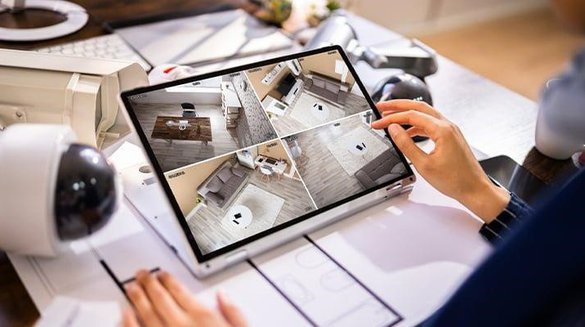
When a sensor triggers, the security system instantly sends a signal to the monitoring center. The message includes details such as the type of sensor triggered, its location, and the nature of the alert. Monitoring agents assess the situation using available data, and if video feeds are connected, they quickly review footage. If the event appears genuine or high-risk, they initiate the appropriate response, calling the property owner, emergency contacts, or dispatching police, fire, or medical services.
All of this happens in a matter of seconds. There’s no panic, no confusion, and no delay between detection and response. The process is streamlined through both technology and experienced operators who handle emergency signals daily.
Why Remote Monitoring Is More Reliable Than Self-Monitoring
Many people rely on smartphone notifications to monitor their own security systems. While this option is convenient, it’s far from foolproof. Phones run out of battery, users may be asleep, traveling, or in an area without internet coverage. In an emergency, relying solely on a personal phone adds unnecessary risk.
Remote monitoring ensures that someone is always watching, no matter where the property owner is. Trained agents are available at all hours, prepared to respond quickly and professionally. This adds an extra layer of security that personal monitoring cannot match.
During emergencies, even seconds matter. When professionals are involved, those seconds are handled efficiently and consistently.
Remote Monitoring for Fire and Environmental Threats
Although many people associate remote monitoring with burglary alarms, it plays an equally important role in detecting fire hazards, gas leaks, carbon monoxide spikes, and flooding. These threats can escalate rapidly, often causing catastrophic damage before anyone notices.
Fire and smoke sensors connected to a monitoring center can alert authorities even when no one is home. The same applies to carbon monoxide detectors, which can save lives by ensuring quick intervention. Flood sensors can prevent extensive water damage by notifying owners before the situation worsens.
Monitoring teams follow specific protocols for each event type, ensuring that the right response arrives at the right time. This level of structured emergency handling offers peace of mind that self-managed systems cannot provide.
Commercial Properties Benefit in Unique Ways
Remote monitoring is especially important for commercial buildings, warehouses, retail shops, factories, and offices. Partnering with a trusted security company Newcastle can further strengthen protection by providing tailored monitoring solutions and rapid on-ground response when incidents occur. These properties often contain valuable assets, sensitive data, or large inventories. A single incident could disrupt operations or cause severe financial loss.
Remote monitoring helps businesses by supervising after-hours access, monitoring high-risk zones, detecting fires, managing access control systems, and verifying alarms through live video. Some monitoring centers even offer two-way communication to deter intruders through automated or manual voice warnings.
For companies with multiple locations, remote monitoring becomes an invaluable management tool. Owners and managers can rest assured that each property is being watched 24/7.
The Relationship Between Technology and Quick Response
Advancements in security technology have significantly strengthened the impact of remote monitoring. High-definition cameras, smart sensors, cloud-based alarm systems, and AI-powered analytics allow monitoring teams to detect and verify threats faster than ever.
Modern systems can differentiate between real threats and false alarms with impressive accuracy. Motion sensors can identify human movement patterns, door sensors can report tampering attempts, and smart video systems can detect unusual behavior. These features help monitoring teams respond more intelligently, reducing the number of false dispatches while improving the speed of legitimate ones.
When technology works hand in hand with trained professionals, the outcome is a seamless emergency-response framework that saves lives and protects property.
The Human Element Behind Remote Monitoring
Despite technological advances, humans remain essential in the monitoring process. Operators must analyze data, make quick decisions, and communicate effectively. Empathy also plays a role, operators know that emergencies are stressful, and their calm reassurance can bring comfort to homeowners experiencing fear or confusion.
This human involvement is what elevates remote monitoring beyond automated systems. Technology detects; humans interpret. Technology alerts; humans act. Together, they form a safety net that is both intelligent and responsive.
Building Long-Term Peace of Mind
Choosing remote monitoring is more than a security decision; it’s an investment in peace of mind. When people know that professionals are watching over their home or business at all times, they feel safer and more in control. Emergencies will always be unpredictable, but the response doesn’t have to be.
Remote monitoring ensures that even if an incident occurs, help will be on the way quickly, giving individuals and families precious time to stay safe.
Conclusion
Remote monitoring plays a critical role in ensuring rapid response during emergencies. Its ability to detect, verify, and act on threats within seconds gives it an unmatched advantage over traditional security methods. Whether protecting homes or businesses, remote monitoring combines advanced technology with human expertise to create a reliable, always-active layer of protection.
Emergencies happen without warning, but with a strong remote monitoring system in place, the response is never delayed, and that can make all the difference.
FAQs
- Why is remote monitoring better than self-monitoring?
Remote monitoring ensures professionals are watching at all times, eliminating the risks of missed alerts due to poor signal, sleep, or busy schedules. - How fast does a monitoring center respond during an emergency?
Response begins within seconds as soon as the system detects a threat, enabling quick verification and rapid dispatch of emergency services. - Can remote monitoring help reduce false alarms?
Yes. With advanced sensors and human verification, many false alarms are filtered out before reaching authorities. - Is remote monitoring useful for businesses?
Absolutely. It enhances after-hours security, protects inventory, monitors restricted areas, and supports large commercial properties. - Does remote monitoring work during power outages?
Most systems come with backup batteries and cellular communication, ensuring continuous monitoring even when power fails.

Safeguard Your Child Against Online Threat
Register Now Cancel Any Time
Available
on
Cancel Any Time
Available
on