


Published on Jan 23, 2026

Super Admin
How To Build a Well-being Focused Workplace
Workplace well-being doesn’t come from adding a meditation app to a broken system. When teams operate past human limits, no perk can fix the damage.
If people feel unsafe speaking up, lack control over their work, and carry blurred boundaries, stress becomes part of the job. Free lunches and wellness days cannot offset that reality.
Real well-being shows up in your daily decisions; how you set expectations, how work gets paced, and how much trust exists. What you need is a well-being-focused workplace that respects energy, attention, and recovery time.
In this article, we explore 5 ways you can build a well-being-focused workplace that values sustainable effort over constant hustle.
5 ways to build a well-being-focused workplace
Did you know that 66% of American employees experienced burnout in 2025, and that those experiencing burnout are 3x more likely to seek a new job actively?
To avoid this, you need a well-being-focused workplace. So,
1. Adjust the workload around employee limits
Companies often reward output without questioning the cost. But long hours, packed calendars, and constant urgency slowly drain focus and morale. Overworked and drained employees will be quietly updating their resume behind the scenes, looking forward to moving on. Your focus must shift to the employee’s capacity instead. That will show you where and why work piles up, expectations clash, and people never get time to recover.
The key is to stop designing work as if people have unlimited time and energy. Here’s what you can do:
- Include your entire team in the weekly workload review and let them take the call on how much they can handle
- Cut meetings lacking a clear outcome
- Track overtime and treat it as a warning sign
Using workforce intelligence software helps teams gain visibility into workload patterns, capacity limits, and early signs of burnout.
Another critical element here is that urgency should never be the default, but an exception. When everything feels critical, nothing truly is. You must plan buffers into timelines to give teams room to think, fix mistakes, and breathe. Remember, calm workdays support better decisions and results.
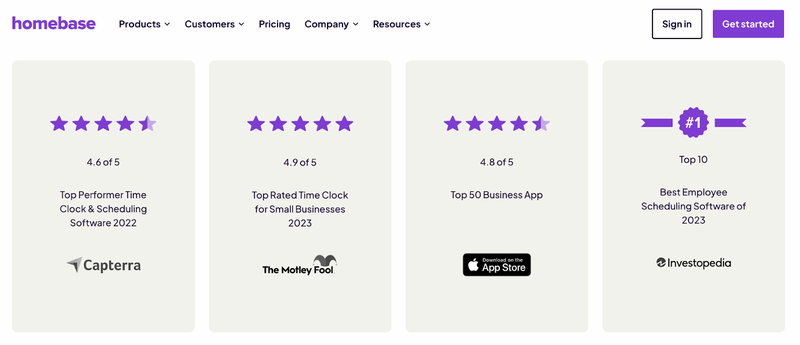
Clear shifts and predictable hours help people plan their lives and work. Use employee scheduling software, such as Homebase, to plan a realistic workload for your team. That way, you can:
- Automatically add your team’s availability and time off to avoid scheduling conflicts
- Post available shifts for employees to claim
- Build schedules according to sales forecast and business goals
2. Make psychological safety non-negotiable
Your people will shut down fast if speaking up feels intimidating at your company. They stop asking questions and flagging issues. Stress creeps in, and productivity suffers. A well-being-focused workplace does not let that happen.
Psychological safety means people can say “I don’t get this,” “this won’t work,” or “I messed up” without fear. That kind of openness lowers pressure on employees, leads to better decisions, and fewer last-minute frictions.
This is where your managers must shine. One sharp reply or heated public call-out can undo months of trust.
Calm responses keep conversations going. Listening without jumping to fix or defend makes people feel heard. You may feel an issue to be small, but ignoring it sends the message that silence is safer than honesty. That’s why an open-door policy and regular 1:1 meetings are essential. They show that you care about the employee’s mental well-being and are there to address their grievances.
Some simple ways to take care of your employees’ psychological well-being are:
- Making it abundantly clear that no question is a stupid question
- Listen actively when someone disagrees
- Avoid the blame game and focus on finding a solution together
- Thank people for their inputs
- Show how feedback changed a decision
- Offer therapy and counselling sessions
Recognition for their contributions helps your employees navigate high-stress situations, and personalisation is key to making recognition feel genuine. Consider rewarding them with thoughtfully customized gifts that reflect their effort and personality — it strengthens their sense of belonging and reinforces a culture of appreciation.
3. Offer employee autonomy
Employees are 12% more likely to be happy at work when they have relative autonomy. So, you must trust them to make decisions, own outcomes, and manage their time without constant oversight.
Different people solve problems in different ways. Letting them choose how they work reduces stress and builds accountability. Trust is a two-way street. When you do so, it shows that you trust their ability to make the right call and complete work on time. This develops mutual respect. You should also:
- Reduce unnecessary approvals
- Review work based on impact
- Set boundaries around decision ownership
- Rotate project ownership to build confidence
You should also offer flexible working hours. For example, in addition to parental leave, you can offer new parents on your team a few months of WFH. However, invest in remote work tools to help them stay organized.
However, autonomy works best when people have the skills to manage it. Strong L&D programs prepare your team to self-manage rather than waiting for direction.
Run regular training to help teams take on responsibility with confidence. Invest in learning experience platforms that support this by building decision-making, communication, and problem-solving skills over time and design engaging eLearning videos with Animated Scenarios for employee training to reinforce learning at scale.
4. Support mental health beyond perks
Stress does not come from a lack of perks. It comes from pressure, uncertainty, and feeling unable to step away. A well-being-focused workplace must treat mental health as part of how work operates.
Offer access to professional help. It should be private, accessible, and free of stigma. Talk openly about mental health resources to reduce the taboo. That way, your employees will be more likely to use them.
People should not have to explain and justify why they need a break constantly. Rest loses value when people fear falling behind or being judged. Your managers must respect time away without questions and guilt; your employees will recover better.
Performative wellness does more harm than good. Campaigns celebrating resilience while ignoring the overwhelming workload send mixed signals. Employees notice when you talk about well-being but reward burnout, and that breaks trust.
That’s why you should:
- Never praise overwork and constant availability
- Train managers to spot early stress signals
- After each extended leave, adjust that employee’s workload to help them settle in
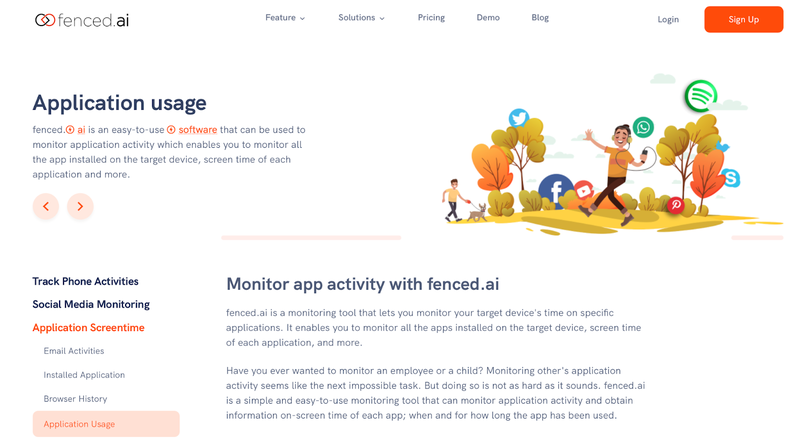
You can use features like Fenced.AI’s application usage to identify employees working overtime. Then, discuss how they can create a better work-life balance to avoid stress.
Remember, your support should show up in everyday behavior. It’s in how you set deadlines, handle time off requests, and how your managers respond when someone is struggling. These choices shape whether your employees feel safe in asking you for help.
5. Build feedback and boundaries into systems
Boundaries and feedback must never be optional, no matter how busy you are. Give your employees the space to communicate what works and what doesn’t. It improves your system and makes employees feel heard.
80% of employees say that receiving meaningful feedback in the past week kept them fully engaged, whether they worked from home or the office. So, deliver timely feedback:
- Ask team leaders and managers to check in with employees regularly
- Offer daily, weekly, and monthly feedback and performance reviews
- Show employees where they are falling short and exactly how they can improve
- Apply the SBI model (Situation, Behavior, Impact). You must be specific and timely, and focus on each action’s impact
- Use “I” statements (“I noticed…”) to not sound accusatory
- Try to build an improvement plan together with your employee
You need dedicated feedback channels like Slack threads, employee surveys, and a suggestion box. Address recurring patterns and close the feedback loop by showing what changed and explaining why something did not.
You may think, “explaining the reasons feels a bit overstretched.” But the fact that you took the trouble shows employees that their input matters. They will be more interested in speaking up again. Transparency builds trust and supports an inclusive and acceptive work atmosphere.
Acknowledge and reward good work. Praise employees publicly, such as via social media shoutouts, to boost morale. A thoughtful welcome kit — including items like personalized stationery, branded apparel, a handwritten note, tech essentials, or even wellness goodies — can go a long way in making your team feel valued from day one.
Conclusion
A well-being-focused workplace is built in the small choices you make every day. You shape it in:
- How do you plan to work
- How you listen
- How much autonomy and flexibility do your employees have
- How you support the struggling team members
Above all, it’s only truly possible when your entire company understands that just because someone works for you, it doesn’t mean they have infinite capacity.
The workloads respect individual limits. That’s when work stops feeling like a constant race against time. They get better focus, put steadier effort, and stay with you longer.
In short, when you design a workload and culture that people can sustain, you protect their health and your business at the same time. Start with one change, stay consistent, and let your culture grow from there.

Safeguard Your Child Against Online Threat
Register Now Cancel Any Time
Available
on
Cancel Any Time
Available
on