

Published on Jun 05, 2026

Super Admin
Monitoring Children's Online Activity? Why Balance is Important
According to the American Academy of Child and Adolescent Psychiatry, children are spending more than 7 hours a day online. Increased screen time can harm your child's health in various ways. It also makes them more at risk for online dangers like cyberbullying, inappropriate content, and privacy violations.
As a parent, it's in your nature to monitor your child's online activity, but excessive surveillance can be just as harmful as no surveillance. Struggling to keep the balance between safeguarding and empowering trust? Look for the right education techniques and security tools to rely on.
The Benefits of Monitoring Children's Online Activity
Even if your children believe otherwise, keeping an eye on their online activity is more than just about being "nosey."
Protection from online threats
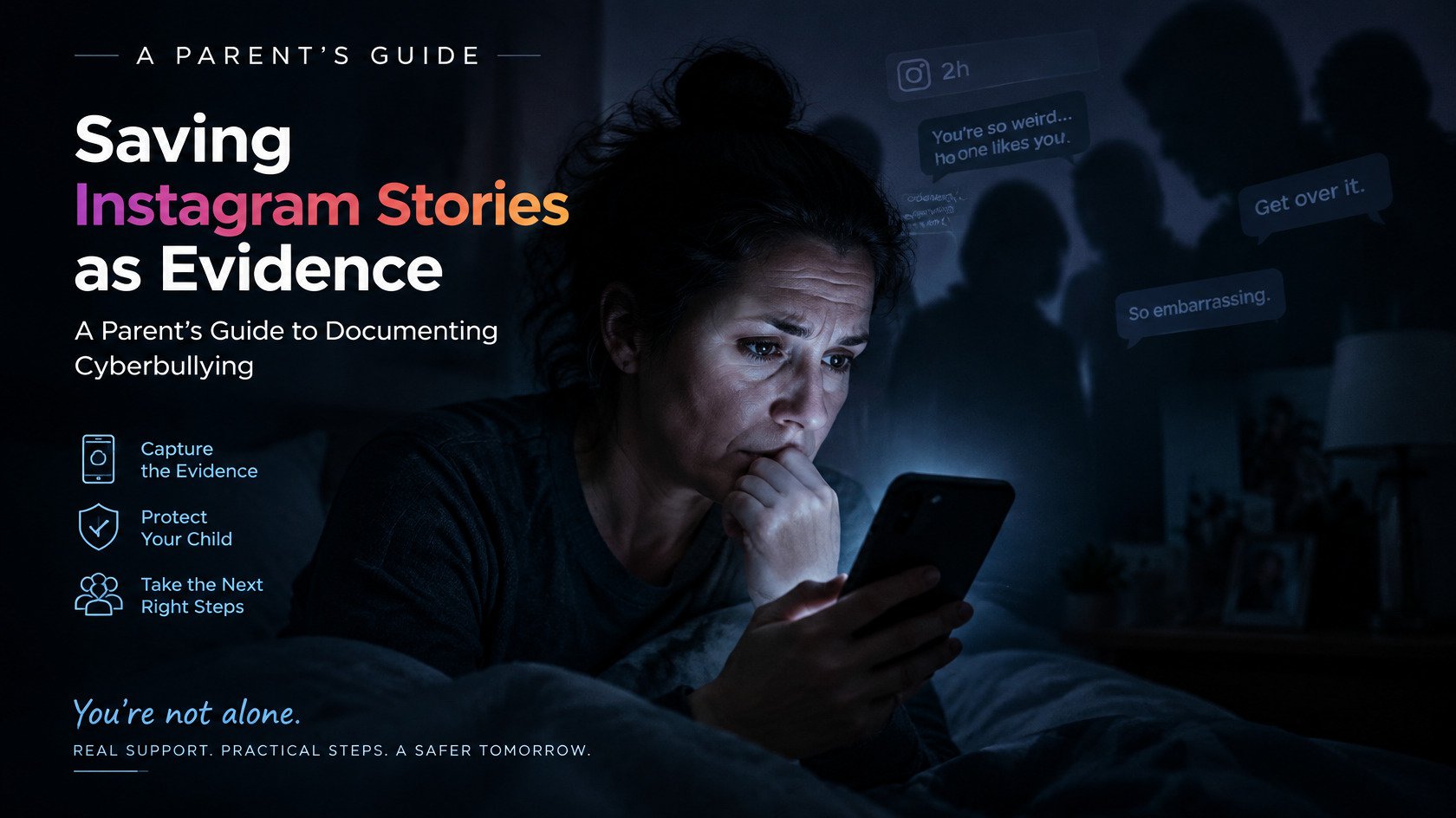
When your child logs into social media, opens kids' YouTube, or streams a show, they face potential risks. Some of the most common threats your children are vulnerable to include cyberbullying, scams, and predators.
Children online face a higher risk of seeing harmful content like physical or psychological violence, self-harm, sexual material, and false information. While adults can also encounter harmful content, they can recognize it and choose to avoid interaction.
Prevention of privacy risks
Children can also be exposed to manipulative commercial practices and exploitative digital marketing. It's not uncommon for AI-driven platforms to use interface designs that can trick users into taking actions.
Keeping an eye on your child's online activities can stop unwanted data collection and profiling. Smart toys and educational apps gather a lot of data, including biometric and behavioral information, to create a profile of your child. You never know who will get hold of this data and how they will decide to use it. Excessive ads are annoying, but they are not the worst consequence of online tracking. Privacy risks can lead to various cyberattacks, including identity theft, which threatens not only adults. If you are not using an identity theft protection service for yourself, think about the benefits for the whole family. Some services offer great prevention tools that can help you reduce monitoring and replace it with awareness.
Peace of mind
Monitoring your child's online activity gives you peace of mind that they are safe online without having to be constantly present. And what can be more important for a parent than their child's safety?
The Risks of Over-Monitoring
Over-monitoring your child's online activity can harm their development, even if you mean well. It's proven that constant tracking leads to low self-esteem and behavioral changes. Psychologists and researchers have called these changes the Hawthorne Effect.
A recent study from 2025 showed that people who thought they were being watched felt more psychological pressure. Monitored kids will feel extremely self-conscious, be more emotionally cautious, and show more restraint.
As a parent, you must protect your child. But it's also important to let them make decisions and learn from their mistakes. Over-monitoring your child could prevent them from developing critical thinking online and in real life.
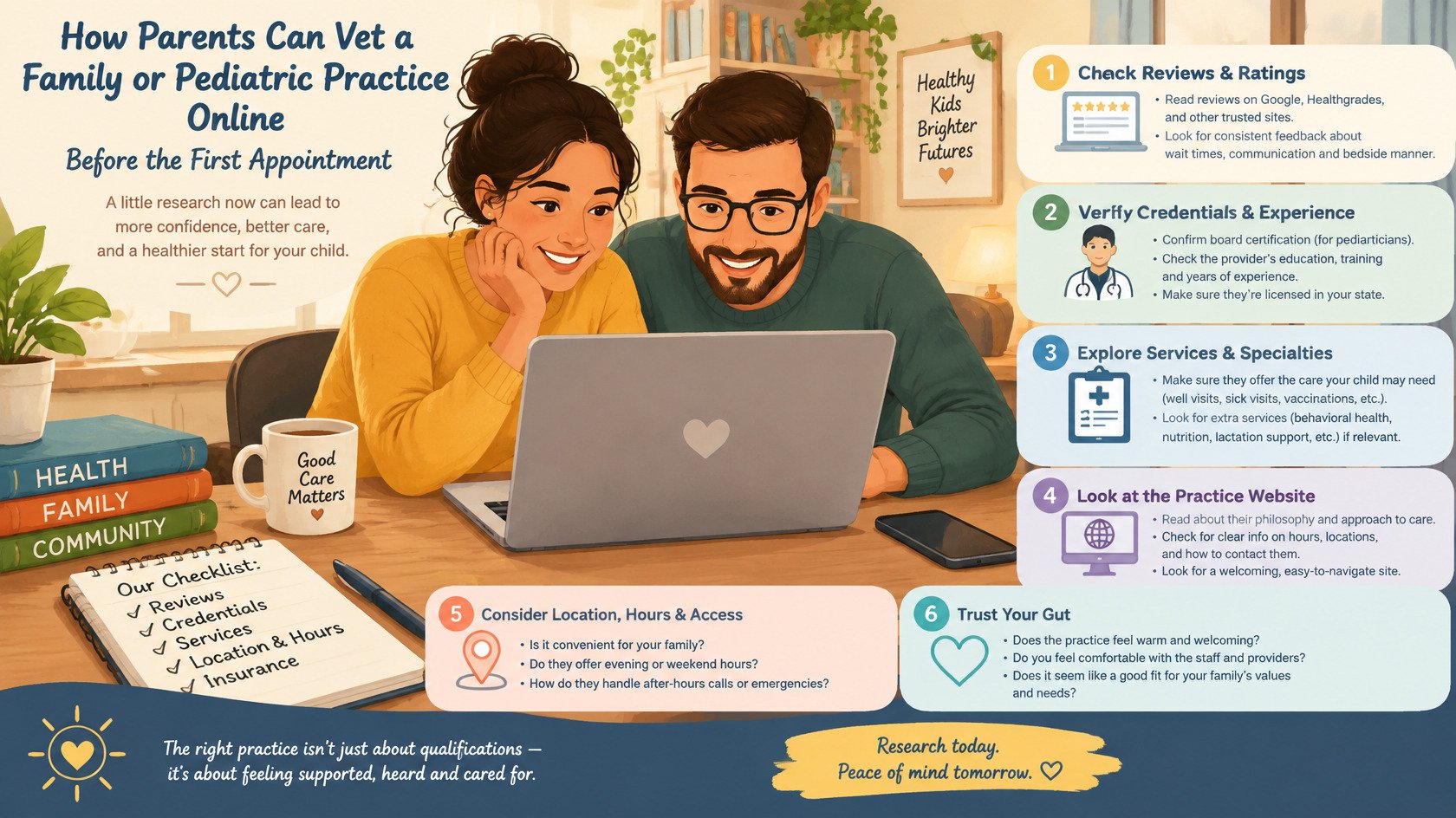
Another risk of over-monitoring your children online is the erosion of trust. Constant tracking can make children feel like they're doing something wrong or that they're not trustworthy. When children feel like their every move is being scrutinized, they're more likely to avoid sharing information openly. When behavioral or physical health concerns do emerge — as they often do with excessive screen time — acting quickly to connect children with the right pediatric care is just as important as the digital safeguards you have in place. For parents navigating those healthcare visits, understanding how pediatric billing services work can help avoid unexpected costs and ensure their child's care isn't delayed by administrative hurdles.
Striking the Right Balance
Effective protection involves striking a balance between over-monitoring children with tracking tools and allowing them to develop online independence.
Open communication
Breakdowns in trust and communication put your child at risk online. Relying heavily on surveillance tools can cause you to overlook the need for direct conversation. Create a safe space for your children. They should feel free to come to you without fear or judgment when they face online issues.
Regularly holding age-appropriate discussions about online experiences without feeling like a lecture can be an asset.
Setting reasonable boundaries
Consider setting reasonable boundaries with your children as part of the process. Take the time to discuss the boundaries so your children know the reasoning behind them. By involving them in the process, you will raise accountability for the new terms.
Education over surveillance
Teach your children responsible online habits, so they can make safe decisions on their own, instead of relying on you and surveillance tools. A good way to set an example is to navigate online spaces together. Demonstrate good cyberhygiene and teach them how to recognize scams, dodgy links, and phishing attempts.
Practical Tips for Maintaining a Healthy Digital Environment
Encourage responsible online behavior
Emphasize the need to practice critical thinking and teach your children about digital etiquette, such as being mindful of what they share. It's a good idea to instill in children to be aware of other people's privacy as well as their own.
Hold check-ins
Instead of spying, hold regular check-in sessions and discussions with your child. You need to set an example for your child because your digital habits can influence your child's online behavior. Your influence is why encouraging open communication around online habits is recommended.
Final Thoughts
Smart toys, TVs, phones, and tablets expose your children to online threats every time they use them. You want to keep your children safe from these threats, but too much monitoring can hurt them. The goal isn't to watch your child's every move. With the right approach and safeguards, you can create a digital environment where your children are safe and empowered to learn.

Safeguard Your Child Against Online Threat
Register Now Cancel Any Time
Available
on
Cancel Any Time
Available
on