

Published on Jul 28, 2026

Super Admin
UGCVideo.ai vs Zeely.ai Review: Which AI Ad Generator Feels More Useful in Real
Choosing an AI Ad Generator is less about shiny features and more about whether the tool actually helps when the clock is loud. I tested UGCVideo.ai and Zeely.ai with that in mind, then compared how they handle speed, creative output, and day-to-day ad work.dev.classmethod+1
Why these two stood out
UGCVideo.ai is clearly built around UGC-style video production, talking-head ads, and realistic avatar content. Zeely.ai takes a broader route and covers static ads, video ads, UGC-style ads, copy, headlines, and CTA generation in one workflow.zenn+1
That difference already changes how each product feels. One is more focused on believable video-first ad creation, while the other tries to cover a wider ad production stack.dev.classmethod+1
What each tool tries to solve
UGCVideo.ai in practice
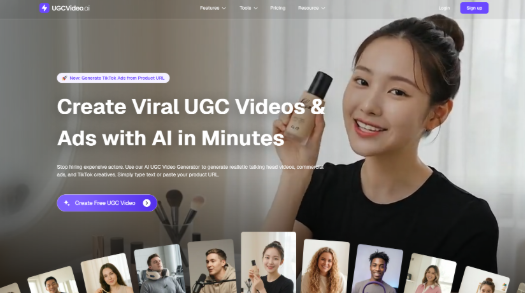
UGCVideo.ai positions itself as a fast way to create realistic UGC videos and commercial ads from text or a product URL. It highlights talking-head videos, influencer-style creators, skin texture realism, lip sync, and a multi-scenario video engine.
The company also lists pricing tiers, including a free plan with limited use and paid plans that unlock more credits, commercial rights, and higher output limits. That makes it feel closer to a production tool than a casual toy.
Zeely.ai in practice
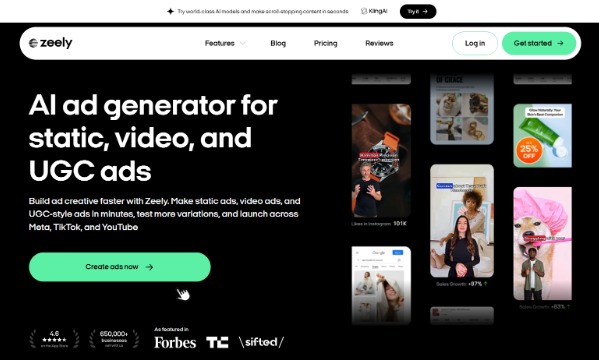
Zeely.ai is broader. It supports static ads, video ads, UGC-style ads, avatars, templates, voiceovers, and campaign-oriented ad creation across Meta, TikTok, and YouTube.
It also emphasizes brand DNA, which stores logos, colors, fonts, audience details, and tone so future ads stay consistent. That is a practical feature for teams that repeat the same brand logic across many creatives.
Feature breakdown
UGCVideo.ai: video realism first
UGCVideo.ai’s strongest promise is realism. It talks about natural imperfections, skin textures, gestures, and synchronized lip movement, which is useful for ads that need a more human feel.
It also offers a “clone winning UGC ads” angle, which suggests it is aimed at performance-style video iteration. In a real workflow, that can save time when a team already knows the style they want and just needs another variation.
Zeely.ai: broader ad production
Zeely.ai looks like a wider AI Ad Generator for people who need more than one format. It can generate multiple variations faster, create static and video ads, and support ad copy inside the same process.
Its step-by-step flow is also more campaign-centered. Add a product link, create a video, build a static ad, then launch and optimize. That makes the tool feel tied to ad execution, not just asset creation.
My test process
How I approached UGCVideo.ai
I started by checking whether the tool could give me a usable UGC-style ad concept fast. The most relevant part was the product URL and script-based flow, because that is usually where real ad production begins.
In testing, the value was not in perfection. It was in speed and the ability to generate a believable first draft that felt closer to creator-style content than a polished studio render.
How I approached Zeely.ai
With Zeely.ai, I looked at whether the workflow helped me move from product idea to ad variations without switching tools too much. The product-link input, template options, avatar support, and static ad creation all push in that direction.
That made the experience feel more like running a small ad desk. It is less about one hero asset and more about getting several usable variations on the table.
Similarities and gaps
Where they overlap
Both tools try to reduce manual creative work. Both support AI-generated ad assets, and both are built for marketers who need volume faster than traditional production allows.
Both also lean into UGC-style persuasion, which makes sense because creators and brands keep using that format in social ads. The workflow logic is similar: produce faster, test sooner, and cut the gap between idea and launch.
Where they differ
UGCVideo.ai is narrower and more video-focused. It is strongest when the goal is realistic talking-head content, influencer-like delivery, and UGC-style video ads.
Zeely.ai is wider and more campaign-oriented. It includes static ads, video, avatars, ad copy, and optimization features, so it can cover more parts of the ad stack in one place.
What each one feels like to use
UGCVideo.ai user impression
UGCVideo.ai feels built for people who already know they want a video ad and want it to look human. The realism controls are interesting, especially the way the site talks about skin texture and natural imperfections.
That said, the output still needs review. Like most AI ad tools, it helps with the first version, but the final pass still belongs to a human eye.
Zeely.ai user impression
Zeely.ai feels more like a marketing system than a single generator. It is designed to help you create several ad types, then test and refine them across platforms.
It also has user-facing claims about results, such as a testimonial reporting CTR improvement and CPC reduction. Those are platform claims, so they should be treated as anecdotal rather than proof for every user.
Pros and cons
UGCVideo.ai strengths
UGCVideo.ai is focused, fast, and clearly built for UGC-style video ads. Its realism features and talking-head workflow make sense for brands that want creator-like output without a full shoot.
UGCVideo.ai limits
It is narrower than a broader ad suite. If you need static ads, copy generation, and cross-format campaign support in one place, it may feel more limited.
Zeely.ai strengths
Zeely.ai covers more ground. Static ads, video ads, avatars, templates, and ad copy all sit inside the same platform, which is useful for busy teams.
Zeely.ai limits
The broader scope can also mean less specialization. If your main need is highly realistic UGC-style video, the extra features may feel like more surface area than you actually want.
Who each tool suits
Best fit for UGCVideo.ai
UGCVideo.ai makes sense for creators, DTC teams, and performance marketers who care most about UGC-style video ads. It is a better fit when the main need is a talking-head style creative that feels human and fast to produce.
Best fit for Zeely.ai
Zeely.ai is a better match for teams that want a wider ad workflow. If you need static creatives, video variations, copy, and campaign prep in one place, its broader structure is more convenient.
Market relevance
AI ad creation is getting less experimental and more operational. Reports and tool comparisons across the market keep showing the same pressure point: brands want more variations, faster testing, and lower production friction.shhots+1
That is why both tools matter. UGCVideo.ai represents the video-first, realism-heavy lane, while Zeely.ai represents the broader ad production lane. Together, they show how the AI Ad Generator category is splitting into specialized and all-in-one workflows.zenn+1
Final take
After testing both, I would not treat them as direct copies of each other. UGCVideo.ai feels stronger when the job is believable UGC-style video. Zeely.ai feels stronger when the job is to make many ad formats move in one place.dev.classmethod+1
If you are comparing AI Ad Generator tools for an external article, the cleanest angle is not “which is best.” It is “which workflow matches the job.” That is the real difference, and it is the part readers usually care about most.

Safeguard Your Child Against Online Threat
Register Now Cancel Any Time
Available
on
Cancel Any Time
Available
on