
Published on Dec 05, 2025

Prasanta R
Link Between Social Media Use and Teen Anxiety
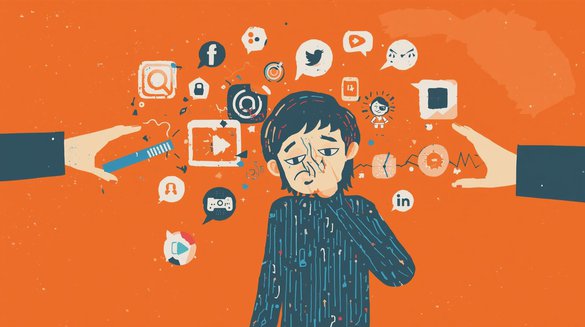
Parents today face new challenges as social media shapes how teens connect, express themselves, and view the world. The digital world can be a source of creativity and belonging, but it can also bring pressure and stress. Understanding how social media use links to teen anxiety helps parents guide their children toward healthier habits and stronger emotional balance.
Many families notice changes in mood, confidence, and daily routines tied to time online. Teens often compare their lives to those of others, which can increase self-doubt and worry. As research uncovers more about these effects, parents can learn how to spot early signs of anxiety and support their teens in building a better online and offline balance.
How passive scrolling worsens teen anxiety by increasing feelings of isolation
Passive scrolling often leads teens to compare themselves to the filtered lives they see online. This pattern can reduce real interaction and replace it with silent observation. Over time, the lack of meaningful exchange can make teens feel excluded, even when they appear connected to others through social media.
Researchers have found that spending more than two hours a day on passive screen use is linked to higher rates of anxiety and emotional problems among adolescents. The constant flow of images and posts can create a sense of distance instead of connection. Teens may start to believe that others have happier or more exciting lives, which can deepen loneliness.
Experts, including board-certified psychiatrists in Calabasas, often note that isolation worsens anxiety symptoms. Social media can make this worse by limiting face-to-face connections that build emotional support. Professional guidance can help families set healthier boundaries and encourage more real-world interaction.
The role of excessive social media use in elevating depression and anxiety rates among teens
Teens often spend several hours each day online, which can shape how they view themselves and others. Constant comparison to idealized images may lower self-esteem and contribute to negative emotions. Over time, this pressure can increase the risk of feeling anxious or depressed.
Researchers have noted that teens who use social media more heavily often report poorer mental health than those who use it less. Many describe higher levels of loneliness and less real-world connection. However, the impact may vary based on an individual’s personality and existing emotional well-being.
Too much online interaction can also interfere with sleep, schoolwork, and attention. Missed rest and constant notifications may cause irritability and stress. As a result, sustained exposure to online content and reduced in-person contact appear to play a role in rising rates of teenage anxiety and depression.
Signs parents should watch for, such as withdrawal and mood changes linked to social media
Teens often use social media to stay connected, but too much exposure can sometimes affect mood and behavior. A sudden drop in interest in family time or hobbies may show that online interactions cause stress or comparison pressure. Some teens may pull away from real-life friends after spending long hours on their phones.
Parents may also notice sharper mood swings or irritability after screen time. Constant checking of notifications or frustration about online posts can point to anxiety related to social validation. Sleep troubles, especially staying up late to scroll through feeds, can deepen irritability and sadness.
Physical signs may appear too. For example, headaches, tiredness, and changes in appetite can be linked to emotional strain from social media. A teen who hides their online activity or reacts defensively about it might feel overwhelmed. Paying attention to these shifts helps parents start calm conversations and decide if more support is needed.
Benefits of active engagement versus passive use to mitigate anxiety symptoms
Active social media use often includes actions such as commenting, posting, or messaging. These activities encourage direct connection with others and can build a sense of belonging. Teenagers who use social media to communicate or share content may feel more supported and less isolated.
Passive use, such as scrolling through feeds without interaction, can have the opposite effect. It often leads to social comparison and self-doubt, which may increase feelings of anxiety. Teens might notice others’ achievements or lifestyles and view their own lives as less satisfying.
Studies suggest that active engagement relates more closely to positive mood and social support, while passive browsing links to lower well-being. Therefore, parents should guide teens to engage thoughtfully rather than observe silently. Encouraging small acts of participation, like replying to a friend or joining group discussions, can make social media a tool for connection instead of a source of stress.
Practical steps parents can take to set healthy screen time limits and encourage real-life activities
Parents can create balanced routines by setting clear rules for device use. They should decide on daily time limits and share those expectations with their teen. A visible schedule helps everyone stay consistent and reduces arguments about screen use.
It helps to keep devices out of bedrooms during sleep hours. Teens often stay online late, which can affect rest and mood. Placing phones in another room before bed can support better sleep habits.
Parents can also plan regular screen-free activities. Family meals, walks, or hobbies allow teens to connect face-to-face and build stronger relationships. These moments remind them that real-world experiences matter as much as digital ones.
Adults serve as role models. Teens notice how their parents use screens, so parents should follow their own rules. Consistent boundaries show that balance is possible without constant conflict or restriction.
Conclusion
Parents benefit from understanding how daily social media habits affect teen anxiety. Teens who spend several hours online each day face higher risks of stress and loneliness, especially if they compare themselves to others or feel pressure to stay constantly connected. Balanced routines, clear rules, and steady guidance can make a real difference.
It helps to set reasonable screen limits, especially before bedtime. Studies show that simple steps like this support better sleep and lower anxiety levels. Open discussions about what teens see and feel online also build trust and awareness.

Safeguard Your Child Against Online Threat
Register Now Cancel Any Time
Available
on
Cancel Any Time
Available
on