

Published on Jul 10, 2026

Prasanta R
10 Ways AI Is Making Digital Experiences Safer and More Accessible
Artificial intelligence is no longer a futuristic concept reserved for tech giants and research labs. It has quietly become part of our everyday digital lives, working behind the scenes to make the internet safer, smarter, and more inclusive for billions of people around the world.
The numbers tell a powerful story. The global AI cybersecurity market alone is projected to grow from $29 billion in 2025 to over $93 billion by 2030. Meanwhile, over 1.3 billion people globally live with some form of significant disability, and many of them rely on AI-driven tools just to navigate the web. From protecting children online to helping businesses serve their customers around the clock, AI is solving real problems at an unprecedented scale. This impact is also clear for creators looking for kajabi alternatives that prioritize smarter and safer digital tools.
Here are 10 meaningful ways AI is making that happen right now.
1. Smarter Parental Controls That Adapt in Real Time
Traditional parental controls relied on static blocklists and rigid keyword filters that were easy to bypass. Modern AI has completely changed the game. Today's intelligent monitoring systems analyze content in real time, detect harmful material across apps and websites, and alert parents before a threat ever reaches their child.
These tools go far beyond simple blocking. AI can now understand conversational context, identify cyberbullying patterns, and flag inappropriate exchanges even when children use coded language or slang. For parents looking for a reliable way to monitor their child's digital activity, AI-driven solutions offer peace of mind without requiring constant manual oversight.
The real breakthrough is adaptability. These systems learn and evolve alongside the digital threats they are designed to counter, making them far more effective than any static filter could ever be.
2. Real-Time Threat Detection and Cybersecurity
Cyberattacks are growing more sophisticated every year. According to IBM's 2026 X-Force Threat Intelligence Index, the exploitation of public-facing applications surged 44% compared to the prior year. Traditional security tools simply cannot keep up with this volume and complexity.
AI-powered cybersecurity systems analyze millions of data points in seconds to detect unusual behavior, phishing attempts, and malware before they cause damage. Organizations using AI-driven security platforms detect threats 60% faster and achieve around 95% detection accuracy, compared to just 85% with traditional tools. These systems also reduce the average cost of a data breach by approximately $1.9 million per incident.
The AI cybersecurity market is now valued at nearly $30 billion and growing at over 24% annually. For both individuals and organizations, this means faster response times and significantly stronger protection against threats that evolve every single day.
3. AI-Powered Customer Support That Never Sleeps
One of the most visible applications of AI in daily life is intelligent customer support. The global chatbot market is valued at over $10 billion in 2026, and an estimated 62% of consumers now say they prefer interacting with a chatbot over waiting for a human agent. Businesses across industries are rapidly adopting AI powered chatbot solutions that answer customer questions instantly, 24 hours a day, 7 days a week.
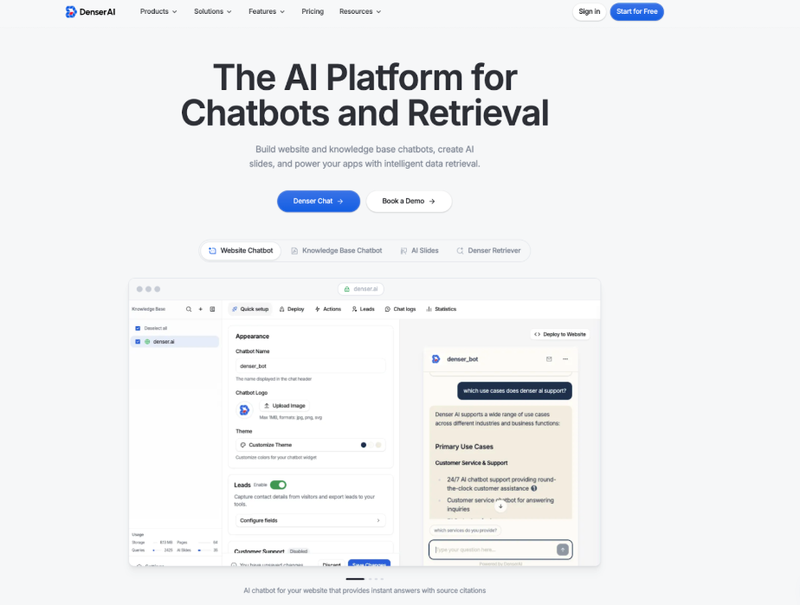
Unlike older chatbots that followed rigid scripts and frustrated users, modern AI assistants understand natural language and provide accurate, context-aware responses. They can pull information from documents, databases, and website content to deliver answers with source citations. For businesses starting out, deploying an AI Website ChatBot is often the most practical first step - one that delivers immediate value without requiring a full-scale infrastructure overhaul.
Consider a mid-sized e-commerce company that previously employed a team of 12 support agents working in shifts. After deploying an AI chatbot trained on their product catalog and return policies, they resolved 70% of incoming queries without human intervention. Response times dropped from an average of 4 hours to under 10 seconds, and their customer satisfaction scores actually improved. That is not a hypothetical scenario. It is the kind of result businesses across industries are reporting as AI support tools mature.
What makes this shift particularly significant is scale. A single AI chatbot can handle thousands of simultaneous conversations without compromising quality or response time. Businesses looking to reach that level of capability typically start by exploring AI chatbot development services to understand what building and deploying one actually involves. That level of efficiency was unthinkable just a few years ago.
4. Content Moderation at Unprecedented Scale
Social media platforms and online communities generate billions of posts, comments, and messages every single day. Manually reviewing even a fraction of this content for harmful material is physically impossible. AI steps in by scanning and flagging content that violates community guidelines in real time.
Advanced AI models can now detect hate speech, graphic violence, misinformation, and coordinated spam campaigns with increasing precision. Platforms like Meta and YouTube have reported that their AI systems identify and remove the majority of policy-violating content before users even report it. While human moderators still play a critical oversight role, AI handles the enormous volume of first-pass filtering that keeps online spaces safer for everyone.
For parents especially, this layer of AI-driven moderation adds an important safety net that works alongside personal monitoring tools to reduce children's exposure to harmful content.
5. Breaking Down Barriers for People With Disabilities
Approximately 16% of the global population, around 1.3 billion people, currently experience significant disability. AI is actively breaking down the barriers that have long excluded many of these individuals from full participation online.
AI-powered screen readers now deliver more accurate and natural-sounding descriptions of web content. Image recognition tools can describe photos, charts, and visual elements to visually impaired users in real time. Voice control usage has surged by 125% since 2023, and AI-powered screen readers have reached 18% adoption among users with disabilities.
Beyond vision, AI is also transforming communication for people with hearing and speech impairments. Real-time captioning tools, sign language translation apps, and speech-to-text engines powered by machine learning have all improved dramatically.
Companies like Apple and Microsoft continue to push the boundaries with features like Personal Voice for people with ALS and AI-driven audio descriptions for video content. The result is an internet that is becoming genuinely more inclusive for everyone.
6. Personalized Learning That Adapts to Every Student
AI is transforming education by tailoring learning experiences to individual students in ways that traditional classrooms simply cannot. Adaptive learning platforms analyze how a student interacts with course material and adjust the difficulty, pace, and content in real time.
This personalization is particularly powerful for students who struggle in conventional settings. AI tutors can identify knowledge gaps, recommend targeted exercises, and provide instant feedback.
For students with learning disabilities like dyslexia, AI tools such as Microsoft's Immersive Reader can adjust text formatting, read content aloud, and break complex passages into manageable chunks.
The impact extends to educators as well. AI frees up teachers to focus on creative instruction and one-on-one mentoring, while automated systems handle repetitive tasks like grading and progress tracking. For families, this means better outcomes and more engaging learning experiences for children of all ages and abilities.
7. Fraud Detection That Works in Milliseconds
Online banking and digital payments have made financial transactions incredibly convenient, but they have also created massive opportunities for fraud. AI algorithms now monitor transactions in real time, scanning for patterns that indicate unauthorized activity.
Financial institutions that deploy AI-driven fraud detection systems can identify suspicious transactions in milliseconds, minimizing losses and reducing false positives. As a result, the fraud detection segment alone accounts for nearly 29% of the entire AI cybersecurity market.
According to industry analysis, AI delivers a 74% improvement in detection speed and a 53% reduction in errors compared to traditional rule-based systems.
The best part for consumers is that AI achieves this without adding friction to the user experience. Legitimate transactions proceed seamlessly while potential threats are caught and reviewed instantly behind the scenes.
8. Safer and Smarter Online Shopping
E-commerce continues to grow rapidly, and AI plays a central role in making online shopping both safer and more enjoyable. AI systems verify the authenticity of sellers, detect counterfeit product listings, and warn consumers about potential scams before they click "buy."
Chatbots in e-commerce are also driving measurable business results. AI-powered assistants on shopping sites have been shown to reduce cart abandonment by 20 to 30% and boost revenue by up to 25% by re-engaging customers who leave without completing a purchase.
Beyond sales, these tools help shoppers find the right products, answer detailed questions about specifications, and resolve post-purchase issues quickly.
For consumers, this combination of safety verification and intelligent assistance builds trust. For businesses, it translates into higher conversion rates and stronger customer loyalty over time.
9. Proactive Mental Health Support and Digital Wellbeing
AI is making meaningful strides in mental health and digital wellbeing, an area that is increasingly critical in a world where the average person spends several hours a day on screens. Some platforms now use AI to detect signs of emotional distress in user behavior and offer resources or support proactively, before a crisis escalates.
For young people especially, this kind of early intervention can be life-changing. AI-driven digital wellbeing tools can track screen time, identify unhealthy usage patterns, and suggest breaks or alternative activities. These features help users, particularly children and teenagers, build a healthier relationship with technology rather than becoming overwhelmed by it.
This is also where parental monitoring and AI wellbeing tools intersect. Parents who combine intelligent monitoring with open family conversations about digital habits are seeing better outcomes in their children's emotional health and screen time management.
10. Semantic Search That Understands What You Actually Mean
Finding accurate information online has always been a challenge. Traditional keyword search often returns pages of irrelevant results, forcing users to dig through links just to find a simple answer. AI is solving this with semantic search engines that understand the intent behind a query, not just the individual words.
For businesses, AI-driven search and retrieval tools can index thousands of documents, web pages, and databases. Instead of scrolling through endless results, users get direct answers backed by credible, cited sources. This is especially valuable for companies with large knowledge bases, complex product catalogs, or technical documentation that customers and employees need to navigate quickly.
The shift from keyword matching to true semantic understanding is one of the quieter AI revolutions, but its impact on how people find and trust information online is profound.
What This All Means Going Forward
The examples above represent just the beginning of what AI can do for digital safety and accessibility. As the technology continues to evolve, we can expect even more powerful tools that protect users, enhance inclusivity, and create smoother digital experiences across every industry.
What makes this moment different from previous waves of tech innovation is the focus on real human problems. AI is not just about automation or efficiency anymore. It is about keeping children safe online, helping a customer find an answer at midnight, making a website usable for someone with a disability, and catching fraud before it ruins a family's finances.
The key for individuals and businesses alike is to stay informed and adopt the tools that align with their needs. The technology is here. The opportunity to use it wisely has never been greater.

Safeguard Your Child Against Online Threat
Register Now Cancel Any Time
Available
on
Cancel Any Time
Available
on